
Origins of Tea
History · Millennia of Trade and Artifacts
From ancient origins and dynastic drinking methods to the overland Tea Horse Road and global maritime commerce: how tea history was forged through craft, vessels and exchange.
Tea history is far more than a simple linear story of a leaf migrating from China to the world. It is an epic of material evolution, artisanal technique, and cross-civilizational commerce spanning millennia. This chapter brings together origin myths, Tang boiled tea, Song whisked tea, Ming steeped tea, the Tea Horse Road, and the Maritime Tea Route on a single comprehensive timeline[1][2][3].
We trace how tea transformed from a regional medicinal decoction in ancient Sichuan to the refined ceremonies of Lu Yu’s Classic of Tea, Song whisked tea competitions, and the Ming dynasty revolution toward teapot steeping (the gaiwan took shape later, in the Qing). Over time, these domestic shifts rippled across global clipper routes, reshaping geopolitics and modern global trade[1][2][4].
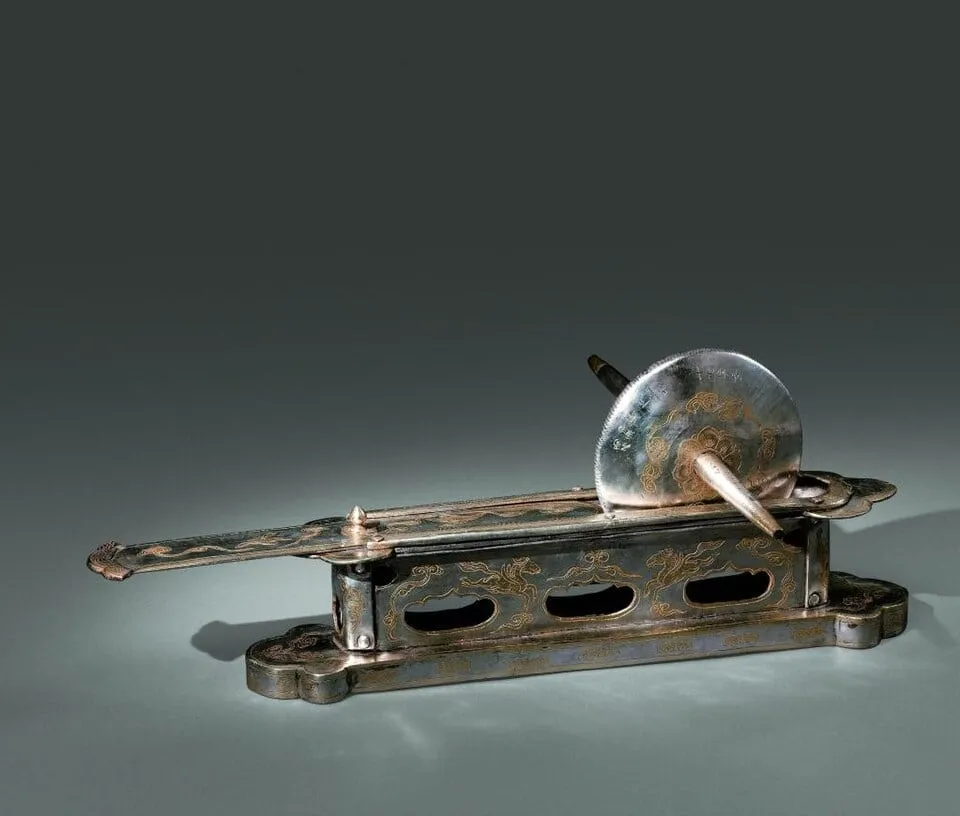
Four millennia of civilization and trade
Interactive Tea History Timeline
Trace tea from early medicinal lore and Tang boiled infusions to Song whisked foam, Ming steeping ware, and the clipper races of the maritime tea route.
Chapter articles
6 articlesThe Origin & Global Spread of Tea
Tea history follows both the use of a plant and changes in everyday drinking.
The Tea Horse Road & Frontier Trade Networks
The Tea-Horse Road was a network linking tea-producing places, highland communities and market towns.
The Maritime Tea Route & Global Commerce
Maritime tea routes brought Asian tea into the histories of ports, ships and world trade.
Tang Boiled-Tea Craft & The Classic of Tea
Tang tea preparation begins with a cake: roast it, grind it into powder, add the powder to heated water, then share the drink.
Song Whisked-Tea Craft & Whipped Foam Aesthetics
Song diancha uses fine tea powder, staged water additions and whisking to create a foamy drink.
Ming Steeped-Tea Craft & The Loose-Leaf Revolution
Putting leaves into a vessel and adding hot water feels ordinary today.
METHODOLOGICAL RIGOR & EVIDENCE BOUNDARIESDual-Evidence Method: Distinguishing myth, primary texts, and archaeology
We strictly differentiate mythical folklore (e.g., Shennong) from historical fact. Texts like Lu Yu’s Classic of Tea and Maritime Trade archives are reconciled with shipwreck archaeological evidence (e.g., Belitung, Nanhai No. 1).
Legends and poetic hyperboles are never cited as confirmed historical fact.
Primary References
- R-030 — Chen Zongmao, ed. (2000). China Tea Comprehensive Dictionary. China Light Industry Press. ISBN: 978-7501925094.
- R-021 — Lu Yu (Tang dynasty, c. 780). The Classic of Tea (Cha Jing). The foundational text on early tea preparation and teaware. https://ctext.org/wiki.pl?if=gb&res=647614
- R-035 — Mu Jihong, Li Xu, et al. (1992). Exploring the Yunnan-Tibet-Sichuan Cultural Triangle. Yunnan University Press. Foundational research on the Tea Horse Road.
- R-045 — William H. Ukers (1935). All About Tea. Key western documentation on 17th–19th century maritime tea trade and global diffusion.