
Start with the essentials
Claims that rinsing removes all residues, cold tea contains no caffeine or older tea always improves often turn conditional observations into absolutes. Checking them requires identifying the tea, treatment and actual result studied.
This article examines seven familiar claims through evidence, conditions and everyday choices, then offers a method for others. The aim is to understand what supports a conclusion and what information has been left out.
Three key points
- Make the question checkableAbsolute removal or absence requires relevant testing and conditions.
- Match evidence to its subjectLaboratory, animal and human findings differ, as do drinks and extracts.
- Keep practical conditionsHygiene, storage and medicines require their own information rather than universal rules.
How to check a claim
Write down a claim’s conclusion, evidence and conditions, then inspect the source. Check whether words such as all, always or completely are justified and how the finding relates to your actual question.
Read the conclusion and its conditions
The cards summarise seven familiar questions; the sections below explain their limits. General information cannot replace medication-specific or individual clinical advice.
Brewing and storage claims
Pick a claim; read the three points.
Does rinsing remove pesticides?
- A quick rinse, poured away
- Rinsing cannot guarantee removal
- Check sourcing and testing
A rinse helps tight leaf open; stop using tea that may be mouldy or tainted.
Sources & limits
See this article’s references (R-335, R-336, R-337, R-339, R-342). The cards use no universal removal rates, caffeine ratios or ageing years; EFSA figures are safety limits, not targets.
General information; health conditions and medicines need individual advice.
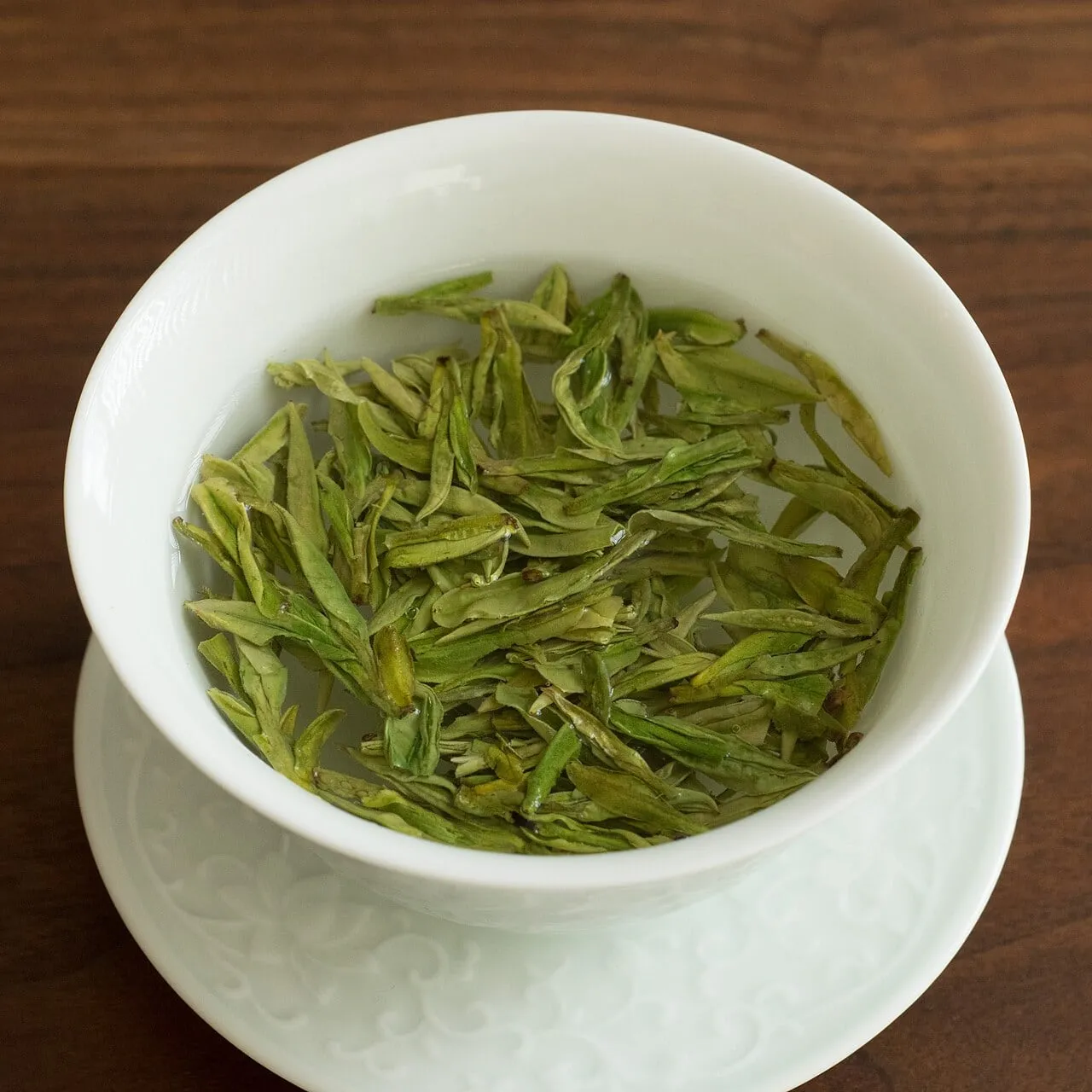
Does a rinse guarantee removal of all pesticide residues?
A rinse is not evidence of safety. Transfer depends on the residue, material and brewing conditions. There is no single percentage for every pesticide and every short rinse. Wetting is a brewing choice that can help some tightly shaped leaves open; it cannot replace traceability and testing.
Choose clearly identified, well-kept tea. Do not try to salvage visibly contaminated or mouldy tea by rinsing. See brewing basics.
Is overnight tea always carcinogenic, or refrigerated tea always safe?
Neither blanket claim is appropriate. Hygiene, temperature, elapsed time and later contamination matter more than crossing midnight. Official tea guidance notes possible spoilage or excessive microbial growth in warm cold-brewing conditions and advises prompt consumption or refrigeration[1].
Fresh preparation is a useful default. Discard spoiled tea or liquor held for a long time under uncertain conditions. Covering and chilling help manage risk but do not permit indefinite keeping; absence of a bad smell is not proof of safety.
Does a mild cold brew contain no caffeine?
Taste does not measure caffeine. Cold water extracts leaf constituents, and longer contact changes extraction and flavour[1]. Comparisons depend on the tea, ratio and hot-brew control, so a universal “85% of hot brew” figure is inappropriate.
Consider portion and timing if sensitive to caffeine. See the cold-brew guide.
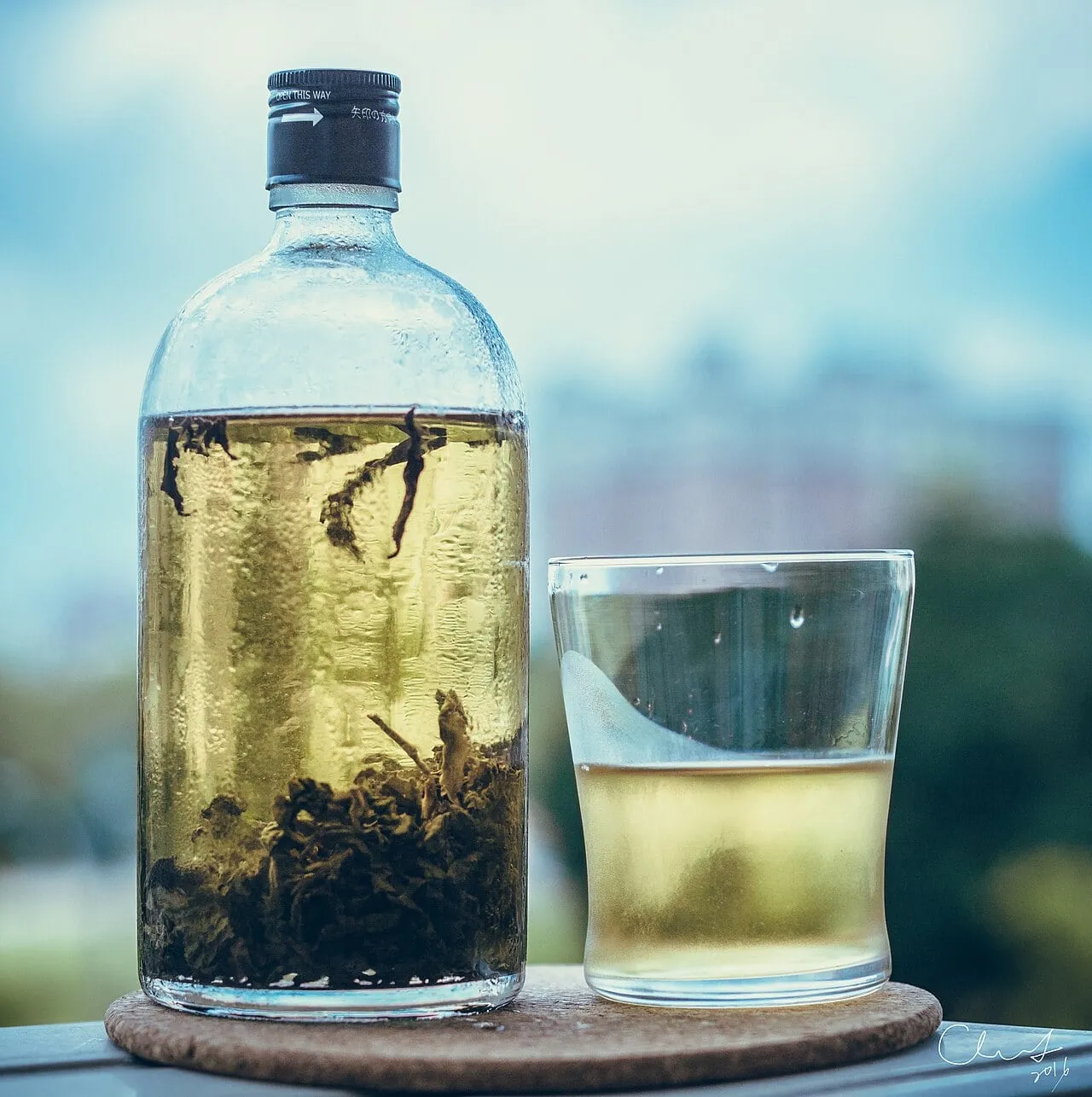
In this cold-brew example, the leaves remain in contact with the water. Neither colour nor taste reveals the caffeine content.
Does green tea damage the stomach while black tea heals it?
A category cannot guarantee individual comfort, and ordinary black tea should not be described as a gastric treatment. Strength, caffeine, timing and health conditions matter. Brewed tea and concentrates also differ[2].
Reduce or stop a drink that causes discomfort. Seek assessment for persistent symptoms rather than switching tea as a substitute for treatment.
Stomach, alcohol and medicine
Pick a claim; read the three points.
Green hurts, black heals?
- Green or black tea
- A category guarantees nothing
- Reduce or pause if unwell
Get persistent symptoms checked; switching teas is not treatment.
Sources & limits
See this article’s references (R-335, R-336, R-337, R-339, R-342). The cards use no universal removal rates, caffeine ratios or ageing years; EFSA figures are safety limits, not targets.
General information; health conditions and medicines need individual advice.
Can strong tea, juice or large amounts of water sober someone quickly?
NIAAA explains that caffeine can ease drowsiness without restoring alcohol-impaired judgement or coordination. Metabolising alcohol takes time; there is no quick sobering recipe[3].
Feeling more awake does not establish fitness to drive. Seek local emergency help for impaired consciousness, abnormal breathing or inability to wake; do not force drinks on the person[6].
Is older tea always better?
Storage changes tea, but age alone cannot establish quality or safety. Material, manufacture, packaging and handling all influence keeping; official shelf-life guidance requires product-specific evaluation[4].
There is no universal best interval of 10–25 years or fixed inverted-U quality curve in this guide. Read instructions, check provenance and record the condition of your own tea. Stop using suspected mould damage. See home storage.
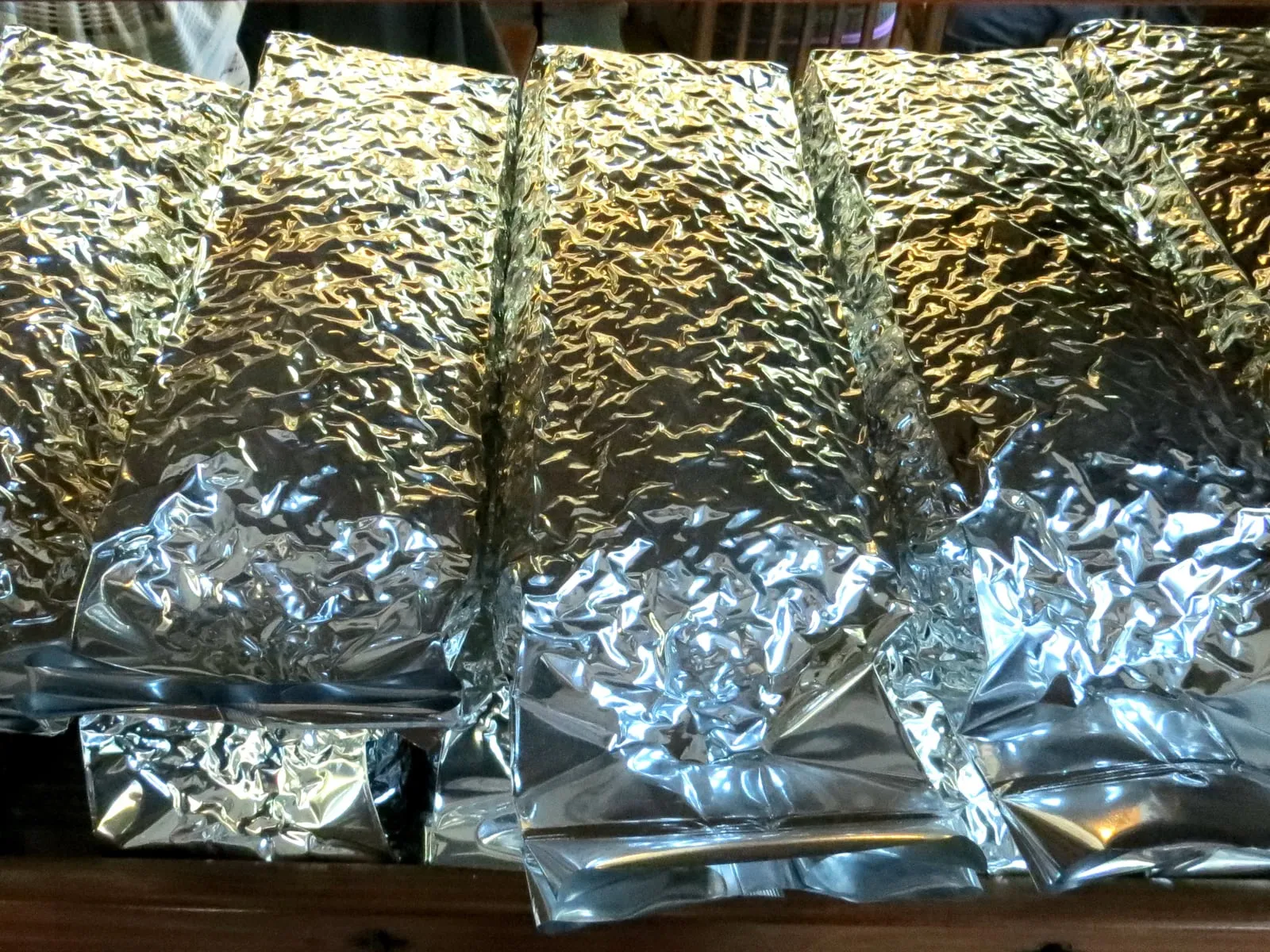
Packaging is one part of storage: these are vacuum-packed tea leaves. Appearance alone cannot establish their age, quality or storage history.
Does tea make every medicine ineffective?
Interactions require evidence for the particular medicine. A controlled meal study on iron absorption cannot represent every iron formulation or dosing method[5]. Green tea and extracts do have documented interaction concerns[2].
Follow medication instructions for swallowing with water and ask a clinician or pharmacist about tea. A universal one- or two-hour interval does not apply to every medicine.
Three questions for another claim
- What was studied? A drink, an isolated compound, an extract or drinking habits?
- What were the conditions? Sample, concentration, population, temperature and duration?
- How far does the evidence reach? Mechanism, association and human outcomes are different.
Find direct support before accepting promises of complete safety, guaranteed treatment or total removal.
Quick Evidence Matrix for Seven Common Tea Claims
The table below brings the seven claims together so you can compare the missing conditions behind each absolute statement with a practical everyday alternative[1][2][3][4][5]:
| Common Claim | Conditions Overlooked by the Myth | Evidence-Based Conclusion & Boundary | Practical Everyday Action |
|---|---|---|---|
| “A first rinse washes away all pesticide residues” | Solubility differences across compounds, systemic uptake, and the physical limits of a brief rinse | A few seconds of hot water cannot certify residue removal or make contaminated tea safe | Buy traceable tea from reliable sources; treat a brief wetting rinse purely as an optional step to help tight leaves unfurl |
| “Overnight tea causes cancer / refrigerated tea is safe forever” | Initial hygiene, ambient temperature, container sealing, and total elapsed time | Spoilage depends on microbial growth and contamination conditions rather than crossing midnight[1] | Brew fresh when possible; discard tea left long in warm or uncertain conditions, and keep chilled tea covered for prompt use |
| “Cold brew isn’t bitter, so it has no caffeine” | Perceived bitterness reflects temperature and multiple compounds, not a direct meter of caffeine concentration | Cold water still extracts caffeine, and multi-hour steeping accumulates meaningful levels[1] | If you are sensitive to caffeine or guarding sleep, manage portion size and afternoon/evening timing for cold brew too |
| “Green tea harms the stomach while black tea heals it” | Liquor strength, empty-stomach drinking, caffeine sensitivity, and underlying gastrointestinal conditions | Ordinary black tea is not a clinical treatment for gastric disorders; strong black tea on an empty stomach can also cause discomfort[2] | Avoid strong tea on an empty stomach; reduce or pause any tea that triggers discomfort and seek medical care for persistent symptoms |
| “Strong tea sobers you up quickly” | The rate-limited hepatic metabolism of ethanol | Caffeine may mask drowsiness briefly but does not speed alcohol clearance or restore judgement and coordination[3][6] | Never treat feeling alert after tea as fitness to drive; seek emergency care for signs of alcohol overdose |
| “Older tea is always better and more valuable” | Raw material, initial processing, packaging barrier, and storage temperature/humidity history | Age alone certifies neither quality nor safety; poor storage leads to staling, dampness, or mould[4] | Keep clear storage records and moisture protection; discard any tea showing suspicious mould growth or musty odours |
| “Tea ruins all medicines / drinking tea always causes anaemia” | Drug-specific pharmacokinetics, dietary iron form, and timing relative to meals | Green tea and extracts have documented interactions with specific drugs[2]; tea with meals reduces non-haem iron uptake, though a 1-hour gap attenuates the effect[5] | Always swallow medication with plain water as directed; if managing iron intake, separate tea from iron-rich meals by at least an hour |
Related Articles
- Tea and Health: Which Findings Can You Trust?: Distinguish brewed tea from high-dose extracts and review evidence boundaries for caffeine, L-theanine, cardiometabolic outcomes, and fluoride.
- Brewing Basics: Understand when an optional wetting rinse helps tightly rolled or compressed leaves and how to set baseline parameters.
- Cold Brew Science: Explore low-temperature extraction kinetics, straining, and refrigerated hygiene management.
- Home Tea Storage: Build a practical routine for moisture protection, portioning, and long-term storage logs.
- Raw Pu-erh & Aged Fuding White Tea: Learn the raw-material and storage conditions required for teas intended for multi-year ageing.
References
- R-339 — 農業部茶及飲料作物改良場. 常見問答集-茶葉爭議訊息澄清. https://www.tbrs.gov.tw/theme_list.php?print=Y&theme=question&type=1
- R-342 — National Center for Complementary and Integrative Health (2025-02). Green Tea: Usefulness and Safety. https://www.nccih.nih.gov/health/green-tea
- R-336 — National Institute on Alcohol Abuse and Alcoholism. The Truth About Holiday Spirits. https://www.niaaa.nih.gov/publications/brochures-and-fact-sheets/truth-about-holiday-spirits
- R-337 — 農業部 (2026-01-06). 包裝茶葉有效日期評估之參考. https://www.afa.gov.tw/cht/index.php?act=download&ids=42264
- R-335 — Ahmad Fuzi, S. F., et al. (2017). A 1-h time interval between a meal containing iron and consumption of tea attenuates the inhibitory effects on iron absorption. American Journal of Clinical Nutrition, 106(6), 1413–1421. https://doi.org/10.3945/ajcn.117.161364
- R-343 — National Institute on Alcohol Abuse and Alcoholism. Understanding the Dangers of Alcohol Overdose. https://www.niaaa.nih.gov/publications/brochures-and-fact-sheets/understanding-dangers-of-alcohol-overdose
Article Knowledge Network
Explore the connections between the teas, processes and flavours in this article.