
Start with the essentials
Cold brewing uses lower temperature and longer contact to extract compounds, potentially creating a different aroma and texture from hot infusion. A refreshing or less bitter cup still contains caffeine; extraction and food hygiene require separate attention.
This article explains low-temperature extraction, establishes a small refrigerated method and shows how to adjust duration and remove leaves. Sample, ratio and storage conditions connect preferred flavour with sensible handling.
Three key points
- Lower temperature changes progressCompounds and leaf forms behave differently, so duration needs tasting and context.
- Bitterness cannot measure caffeineSensation and amount differ, and illustrative curves cannot establish a dose.
- Preparation and storage both need careClean containers, drinkable water and refrigeration belong throughout the process.
What to consider when cold brewing
Make a small refrigerated batch and record material, volume, start time and tasting notes. Filter at the preferred strength and drink promptly; refrigeration is not indefinite preservation, and tasting cannot certify a questionable batch.
Cold brewing changes extraction conditions
Lower temperature changes extraction speed, while longer contact can increase extraction. Meaningful comparisons report the sample, leaf quantity, water volume, temperature and duration together[2][3]. Cold brewing should not be described as extracting only amino acids and no caffeine, and mild flavour does not establish chemical concentrations.
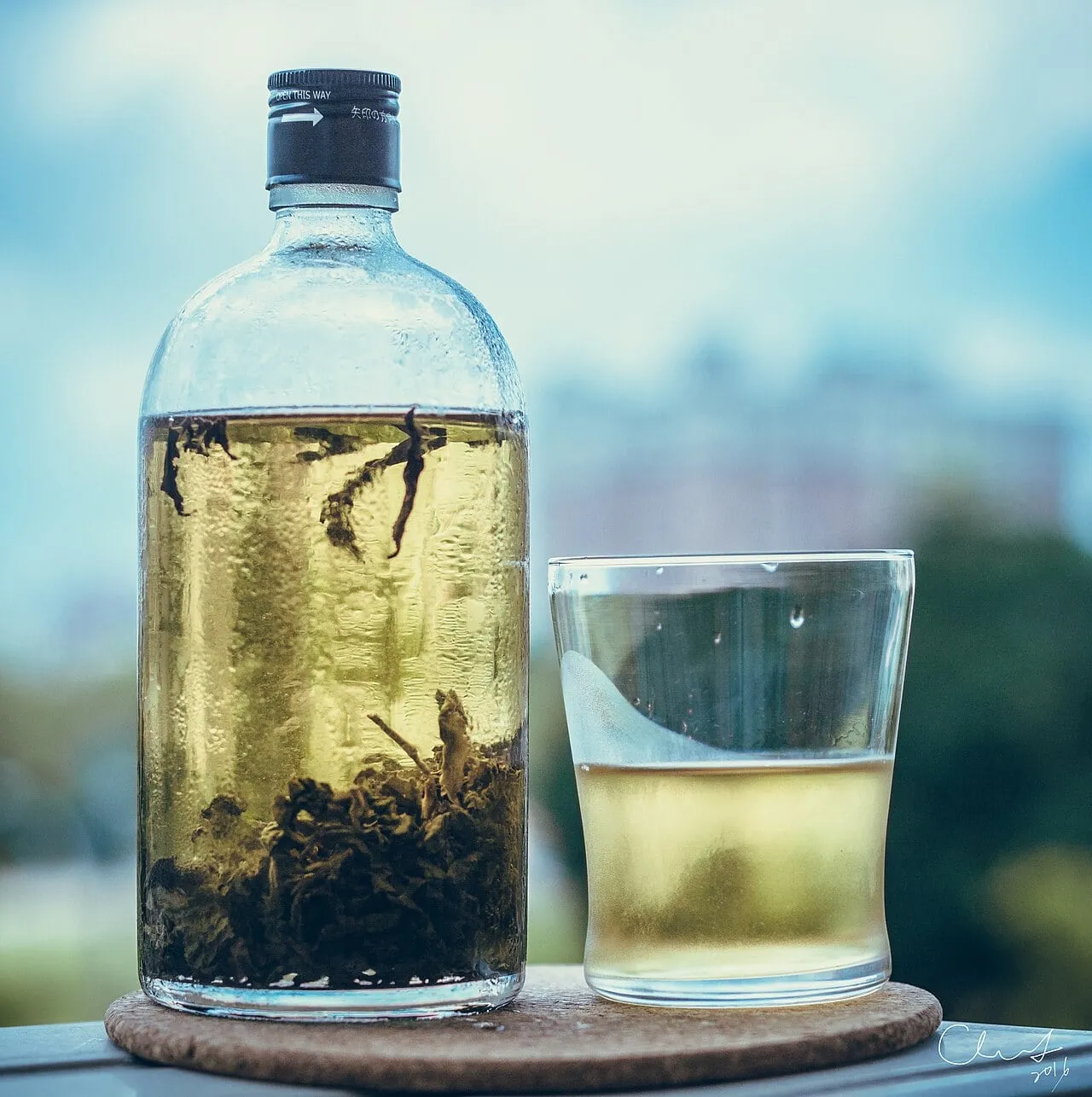
A real bottle helps identify the relationship between vessel, leaves and infusion. Temperature, contact time and handling conditions cannot be reconstructed from an unrecorded photograph.
Use the illustration for trends
Cold brew: what comes out first?
Switch steeps; see which bars rise first.
Light: sweet, barely bitter
- Theanine: starting to come out
- Soluble sugars: low
- Ester catechins: very low
- Caffeine: low
In the cold, sweet compounds lead and bitter ones lag; taste before going on.
Taste notes & sources
- Example taste
- Clean, gentle sweetness, almost no astringency, light body.
Cold infusion still contains caffeine; a mild taste does not measure it. Hot–cold comparisons need tea, ratio, time and temperature, not a universal percentage.
Infusion kinetics: R-116. This illustration cannot calculate concentration.
Bars are four illustrative tiers, not yields or measured levels; teas differ.
The curves help compare conditions. Actual caffeine concentrations and microbial counts require measurement. Do not use the display to calculate your dose, certify a bottle’s safety or establish a universal storage limit.
Prepare a small repeatable batch
These are editorial trial settings, not a validated shelf-life protocol:
Record the tea, leaf quantity, water volume and starting time. Begin with a manageable portion rather than filling a large pitcher. Note when it entered the refrigerator, when you first tasted it and when you removed the leaves, so later adjustments have a clear starting point.
Official guidance notes possible spoilage or excessive microbial growth in warm conditions and advises prompt use or refrigeration[1]. Chilling does not sterilise tea, and absence of an unusual smell does not justify indefinite storage.
Remove the leaves at your preferred strength
Contact continues while leaves remain in water. Separating liquor and leaf makes serving easier to plan and avoids successive servings having different contact times. Prepare a clean receiving vessel and pass the infusion through a strainer; check mesh size when using broken leaves.
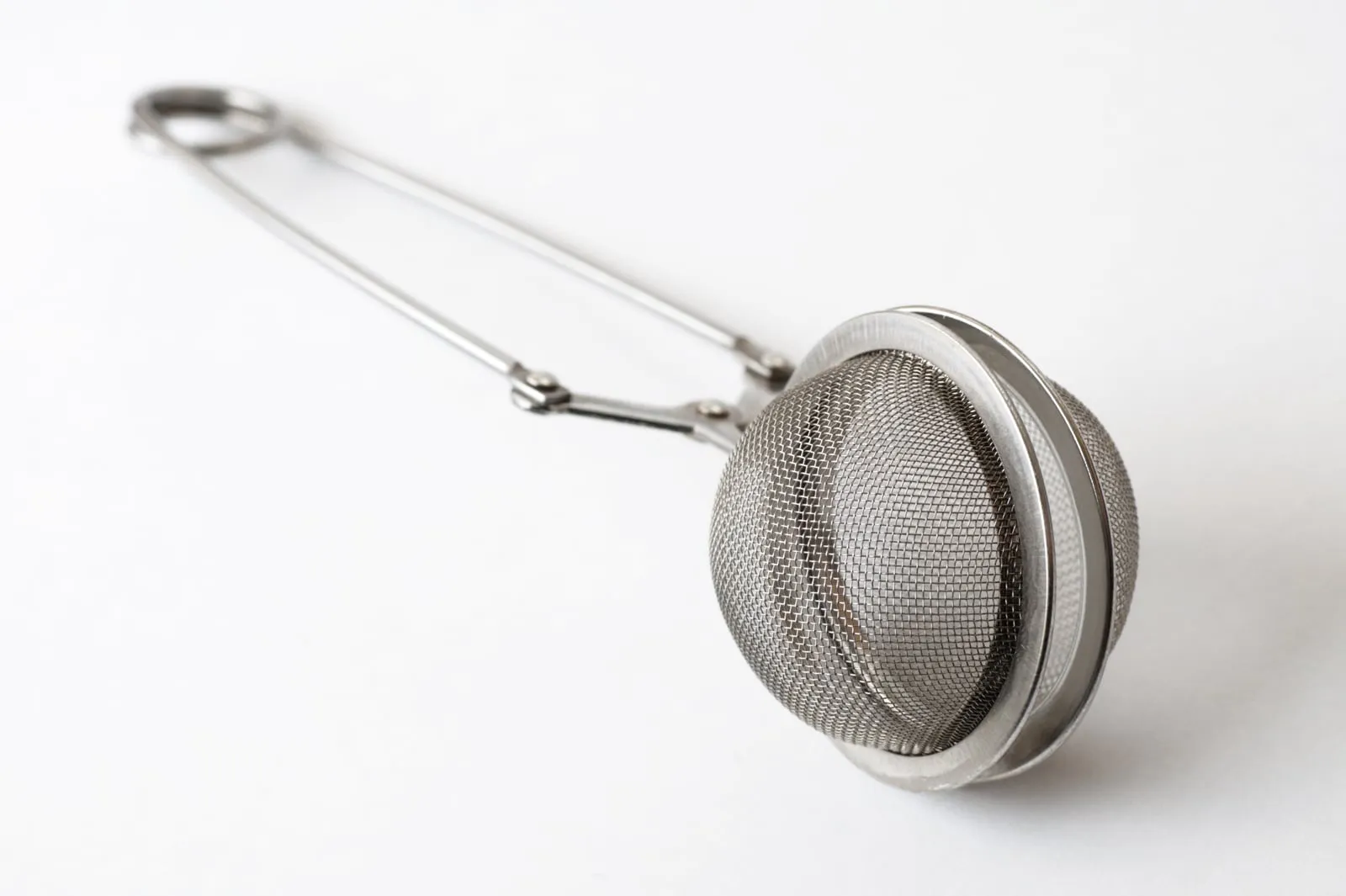
Removing leaves does not disinfect the infusion or prevent all later change. Continue to manage refrigeration, handling and consumption as appropriate[1]. Clear appearance does not establish safety.
Is cold brew the same as tea served over ice?
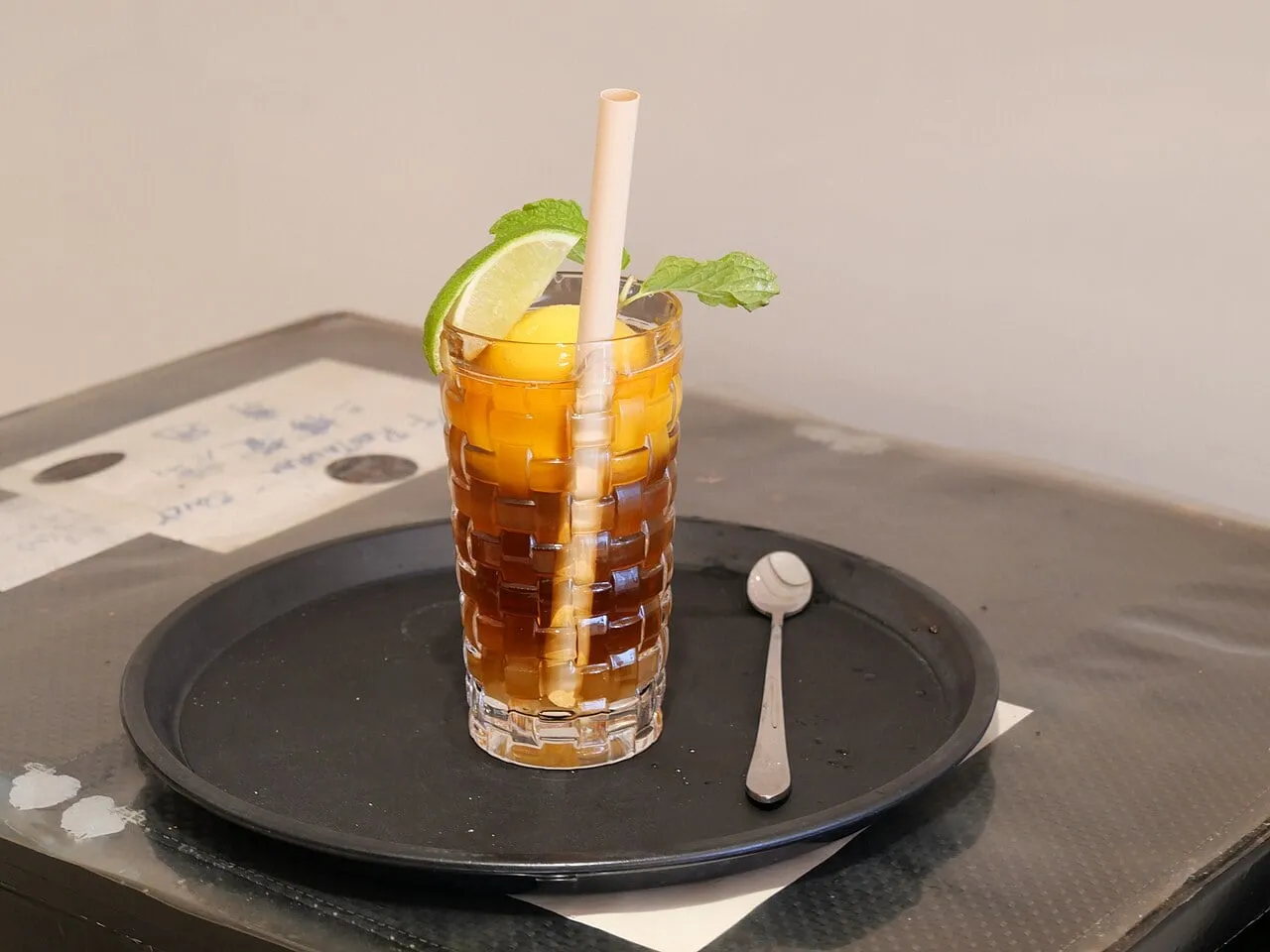
Cold brewing describes extraction conditions; adding ice describes serving. Hot-brewed tea that is cooled and iced is not cold-brewed merely because the glass contains ice. Cold-brewed tea need not contain ice. Record brewing temperature, contact time and any dilution separately when comparing them.
Adjust duration first
Extend contact if weak and shorten if too strong. Establish duration before changing leaf quantity. Whole and broken leaves and different manufacturing styles need not all steep overnight.
Compare two small batches at the same ratio and refrigerated conditions, changing only time. Record aroma, bitterness, astringency and freshness. This is a flavour comparison, not a caffeine assay.
Mild flavour is not decaffeination
Flavour reflects several compounds and perceptions. Cold water still extracts constituents, with contact time affecting the result[2][3]. This guide does not assign a universal “eight hours equals 85% of hot brew” figure; comparisons must report both protocols.
Caffeine-sensitive drinkers still need to consider portion and timing. See tea and health.
What if refrigeration was forgotten?
Where you keep cold brew matters
Switch storage; see how microbes trend.
Cold slows growth, not sterile
- Fridge: cold slows microbes
- A clean, sealed container
- Growth slows but does not stop
- Drink it soon
Keep it chilled and drink it soon; vessel, water and cold chain matter too.
Handling & sources
Use clean vessels and drinking water, refrigerate throughout and consume promptly. Discard drinks with uncertain handling or suspected spoilage.
Tea hygiene guidance: R-339. Time and temperature are only part of the picture; this cannot certify safety or set a holding life.
Directions only, no measured counts; if in doubt, throw it out.
Consider actual temperature, time, cleanliness and possible contamination. Discard tea held for a long time in warm or uncertain conditions rather than continuing to taste it. Rechilling or reheating does not automatically establish safety.
Choose and keep your material
Start with clearly identified tea in normal storage condition, using small amounts of a familiar product. Check ingredients for scented or flavoured products. Fruit, milk and other additions change the handling context; pure-tea guidance cannot simply be transferred. This guide does not establish that every tea is suitable for preparation without heating.
Cold-Brew Suitability Across Tea Categories and Leaf Forms
Not every tea category unfolds or extracts at the same pace in cold water (~4 °C). Use the table below as an editorial starting framework when choosing leaves for home trials[2][3]:
| Category & Leaf Form | Cold-Extraction & Sensory Profile | Refrigerated Starting Window (~4 °C) | Practical Precautions & Boundaries |
|---|---|---|---|
| Fine Green Tea (West Lake Longjing, Dongting Biluochun) | Free amino acids and water-soluble floral/vegetal volatiles extract gently without heat-induced cooked notes | Begin tasting at ~4–6 h; tender buds rarely need overnight steeping | Strain trichome-rich teas (like Biluochun) through a fine mesh so detached hairs and broken tips do not over-extract |
| White Tea (Baihao Yinzhen, White Peony) | Delicate downy sweetness with minimal astringency, though plump buds with waxy cuticles wet slowly in cold water | ~6–8 h for White Peony; plump Silver Needle buds may need slightly longer or a brief room-temperature wetting before chilling | Aged Fuding white tea and compressed cakes are generally better suited to hot brewing or simmering for both aroma and hygiene |
| Light & High-Mountain Oolong (Anxi Tieguanyin) | Preserves crisp orchid and honey-fruit aromatics with a silky, low-bitterness finish | ~6–8 h for strip-style oolongs (Oriental Beauty); ~8–10 h for tightly rolled balls to unfurl | High-roast Wuyi Rock Tea or heavy-roast Dongding Oolong release high-boiling roast aromatics less readily in cold water; test small samples |
| Black Tea (Keemun, Lapsang Souchong) | High cell disruption from rolling allows steady release of theaflavins and sweet floral-fruity notes with softer astringency | ~6–8 h for whole-leaf Congou black teas; taste broken leaf at 2–4 h and strain promptly | High-polyphenol large-leaf black teas (Dianhong) can still turn brisk if left on the leaves too long |
| Dark & Aged Compressed Teas (Ripe Pu-erh, Anhua Fuzhuan) | Post-fermented and aged leaves require high heat to express mellow woody complexity and warrant thermal hygiene precautions | Direct cold brewing is not recommended; brew hot with boiling water first, then chill rapidly over ice if a cold drink is desired | Distinguish hot-brewed iced tea from raw cold infusion; prioritise boiling water for compressed and aged teas[1] |
See home storage and brewing troubleshooting for related practice.
Related Articles
- Brewing Basics: Compare hot brewing (gongfu and cup methods) with cold infusion across ratio, temperature, and time.
- Water Quality & Tea Liquor: Learn how mineral hardness and dissolved oxygen in drinking water shape cold-brew sweetness and clarity.
- Brewing Troubleshooting: Adjust one variable at a time when an infusion tastes weak, astringent, or muted.
- Home Tea Storage: Manage dry-leaf refrigeration against condensation and understand hygiene boundaries for brewed tea.
- Tea and Health Science: Review evidence and individual sensitivity considerations for caffeine intake and timing.
References
- R-339 — 農業部茶及飲料作物改良場. 常見問答集-茶葉爭議訊息澄清. https://www.tbrs.gov.tw/theme_list.php?print=Y&theme=question&type=1
- R-116 — Spiro, M., Jaganyi, D., & Broom, M. C. (1992). Kinetics and equilibria of tea infusion: Part 9. The rates and temperature coefficients of caffeine extraction from green Chun Mee and black Assam Bukial teas. Food Chemistry, 45(5), 333–335. https://doi.org/10.1016/0308-8146(92)90033-x
- R-297 — Lin, S. D., Liu, E. H., & Mau, J. L. (2014). Effect of different brewing methods on quality of green tea. Journal of Food Processing and Preservation, 38(3), 1234–1243. https://doi.org/10.1111/jfpp.12084
Article Knowledge Network
Explore the connections between the teas, processes and flavours in this article.