
Start with the essentials
Home storage usually aims to retain a tea’s existing flavour, while deliberate long-term storage observes later change. Separate those goals before considering packaging, opening, moisture, light, heat and unwanted odours.
This article starts with instructions and portions, compares storage priorities and explains cold-to-warm handling, records and suspicious conditions. Managing a small drinking portion is often easier than seeking one rule for every tea.
Three key points
- Read conditions with shelf lifeOpening changes the environment; original labels preserve batch information.
- Different teas have different goalsFreshness and deliberate aging need different records and management.
- Reduce repeated environmental changesPortions and a stable location simplify moisture and odour control.
Check the tea you have at home
Check three teas for opening date, closure and location, then correct one clear problem. Follow product-specific refrigeration instructions; rinsing or reheating cannot restore safety after suspicious mould or contamination.
Decide whether you want freshness or long-term observation
For everyday tea, retaining its existing flavour is a useful goal. Small purchases and fewer openings are easier to manage than a universal “best age.” Deliberate ageing requires separate records of material, manufacture and storage.
Shelf-life guidance considers material, manufacture, packaging and handling together[1]. Read dates alongside storage instructions. Opening changes the original environment, so unopened keeping behaviour cannot automatically apply afterwards.
Four useful first steps
- Avoid heat and odours: keep tea away from cooking areas, sunlight and spice cabinets.
- Limit moisture entry: reseal as designed and use clean, dry tools.
- Set aside a drinking portion: open the main supply less often; portion containers must also be clean and dry.
- Record opening: retain the product name, batch and original instructions.
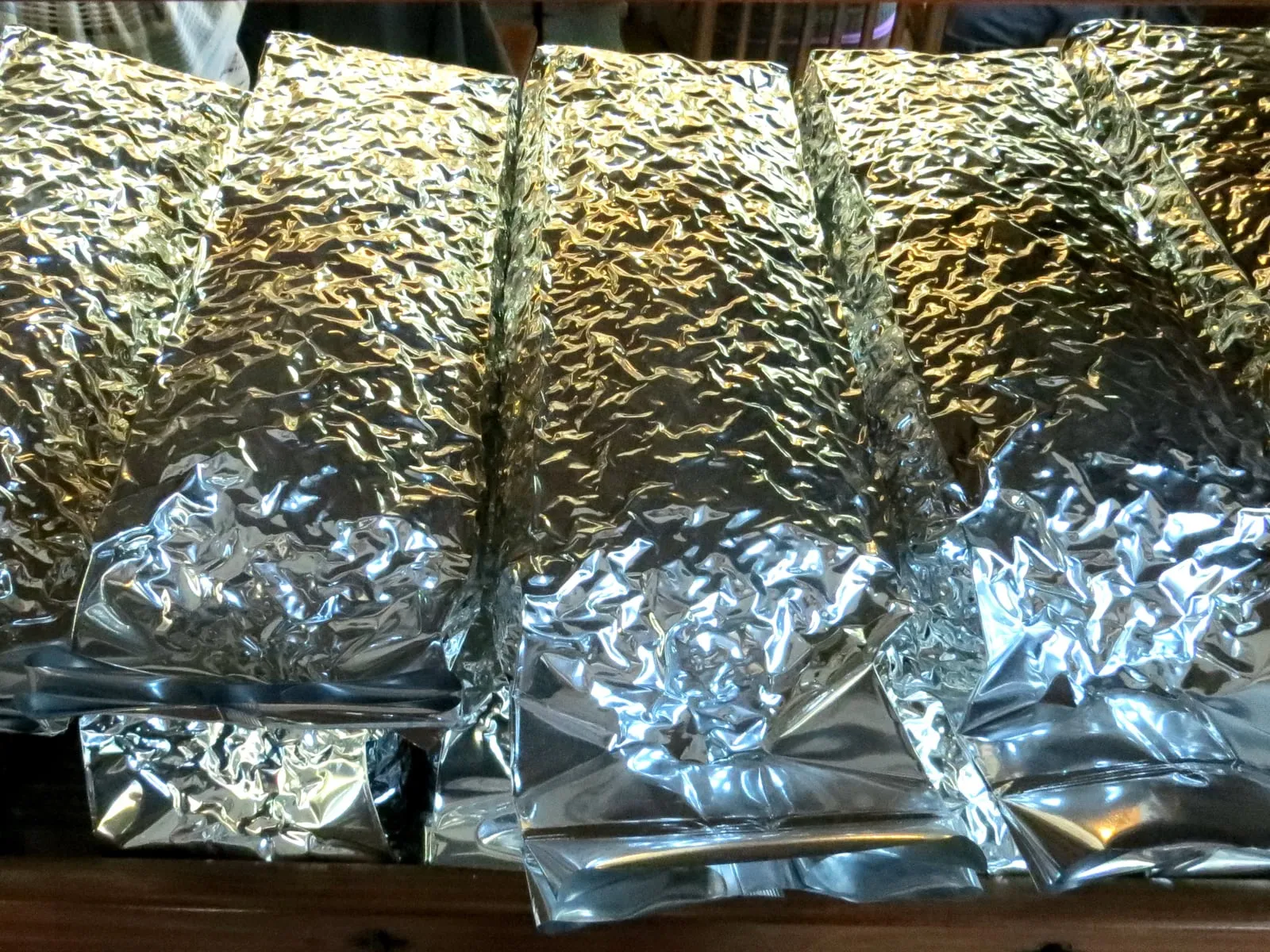
Inspect the actual packaging before choosing a decorative canister. The bags below divide tea into separately sealed portions. A metallic appearance does not itself establish a vacuum or an intact seal. Follow the product’s packaging instructions rather than treating appearance as a barrier-performance test.
Keep a portion connected to its identity
For a regularly used tea, set aside enough for a few sessions and keep the remainder as instructed. Label the portion with its name and opening or repacking date; retain the original information panel. Avoid combining different products or batches and later assigning one date to the mixture.
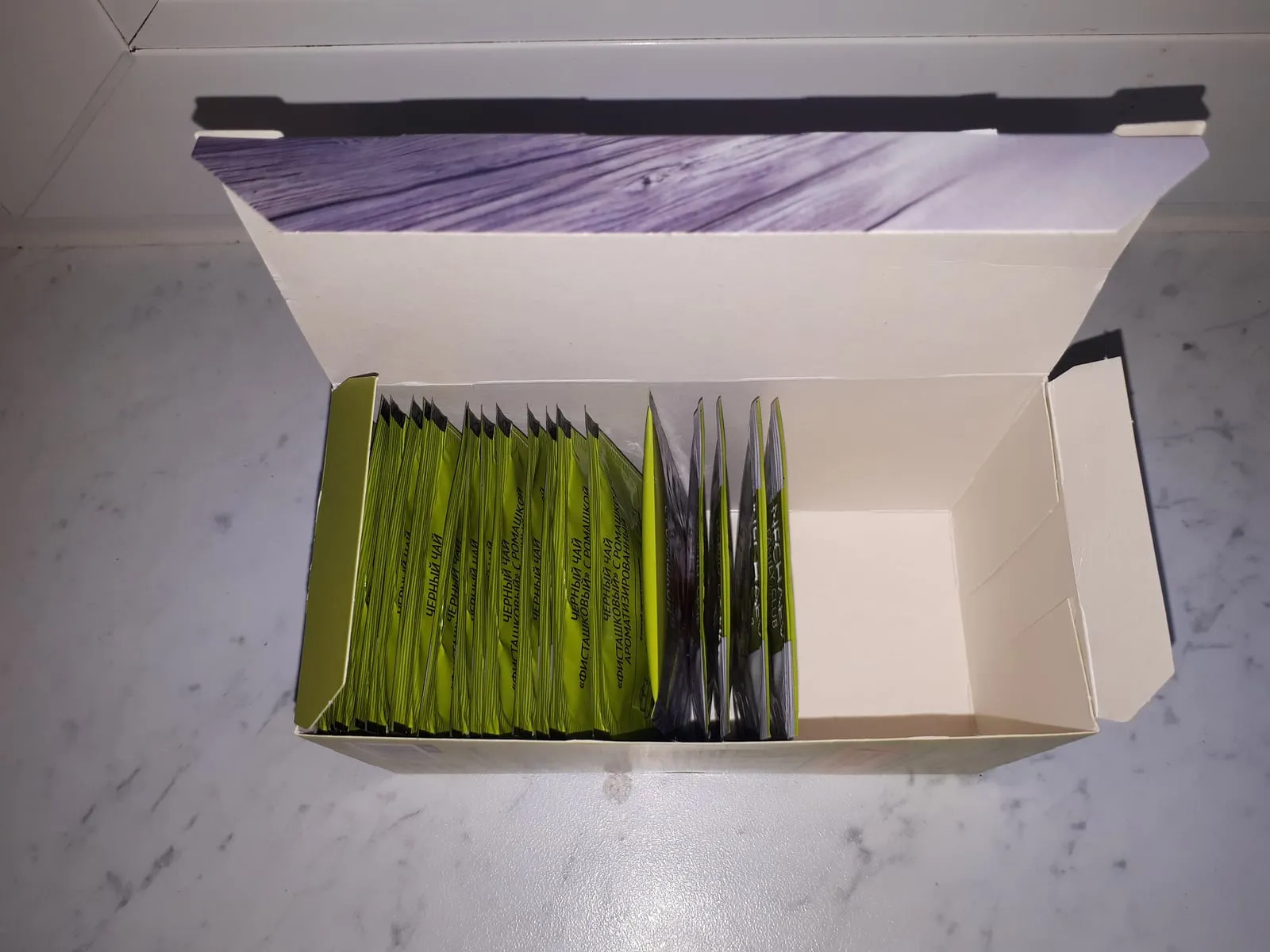
Individually wrapped retail tea illustrates the relationship: the outer box carries the collected information while smaller packets allow separate use. When repacking at home, keep a way to trace each portion back to its original product.
Different goals for different products
| Situation | Priority | Household approach |
|---|---|---|
| Fresh green tea and other fresh styles | Limit aroma loss, oxidation and moisture | Small sealed portions; check instructions before chilling |
| Roasted oolong and typical black tea | Retain aroma and avoid odours | A stable cool, dry location with fewer openings |
| White or compressed tea intended for longer storage | Provenance and storage records | Follow the particular product; do not add moisture to speed change |
| Scented, flavoured or mixed-ingredient products | Ingredients and product instructions | Keep separate and follow its specific advice |
This is a management framework, not one temperature or humidity prescription. Room humidity is not leaf moisture content and cannot directly calculate it.
Comparing Common Household Packaging and Containers
Packaging materials differ greatly in their barrier performance against water vapour, oxygen, light, and external odours. Before deciding whether a container is suited for short-term daily access or longer-term keeping, evaluate its physical barrier properties[1]:
| Packaging / Container Type | Light Barrier | Moisture & Oxygen Barrier | Household Use & Precautions |
|---|---|---|---|
| Aluminium-foil laminate zip / heat-sealed pouch | Excellent (opaque) | Excellent (metal layer blocks moisture and oxygen when tightly sealed) | Top choice for home portioning; press out excess air before sealing. Ideal for chilled portions of green or light oolong tea and general medium-term storage |
| Double-lidded tinplate / stainless-steel canister | Excellent | Moderate to Good (depends on inner lid fit) | Suitable for daily-drinking black tea and roasted oolong; in humid climates or if the lid lacks a gasket, line the canister with a sealed foil pouch |
| Glazed porcelain jar / Zisha clay jar | Excellent | Low to Moderate (cork or single lids allow moisture exchange) | Suitable for tea consumed within a few weeks or short-term conditioning of compressed tea; avoid bare storage in humid seasons and check clay jars for retained odours |
| Clear glass jar / clear polyethylene (PE) bag | Poor (transparent) | Moderate to Low (thin PE film remains permeable to oxygen and odours) | Use only for short-term display or tea finished within days; light accelerates chlorophyll photodegradation and lipid oxidation, producing stale or light-struck notes |
| Kraft paper bag / bamboo basket / cotton paper wrap | Moderate to Good | Low (breathable; sensitive to room humidity and odours) | Traditionally used for wrapping raw Pu-erh or aged white tea; at home, keep inside a clean outer carton or cabinet away from kitchens, balconies, and damp walls |
Avoid repeated cold opening
Consider refrigeration only where suitable for the product and with moisture- and odour-resistant packaging. Portion and seal first. After removing one portion, keep it closed until near room temperature, reducing condensation from humid air. Avoid opening the same cold bulk bag every day.
Treat removal and opening as separate actions: take out the portion you need, then open when appropriate; keep the remainder as instructed. This is moisture-management advice, not a universal refrigerated shelf life. If sealing and handling are difficult, buy smaller amounts.
Retain the packaging, product name and dates together
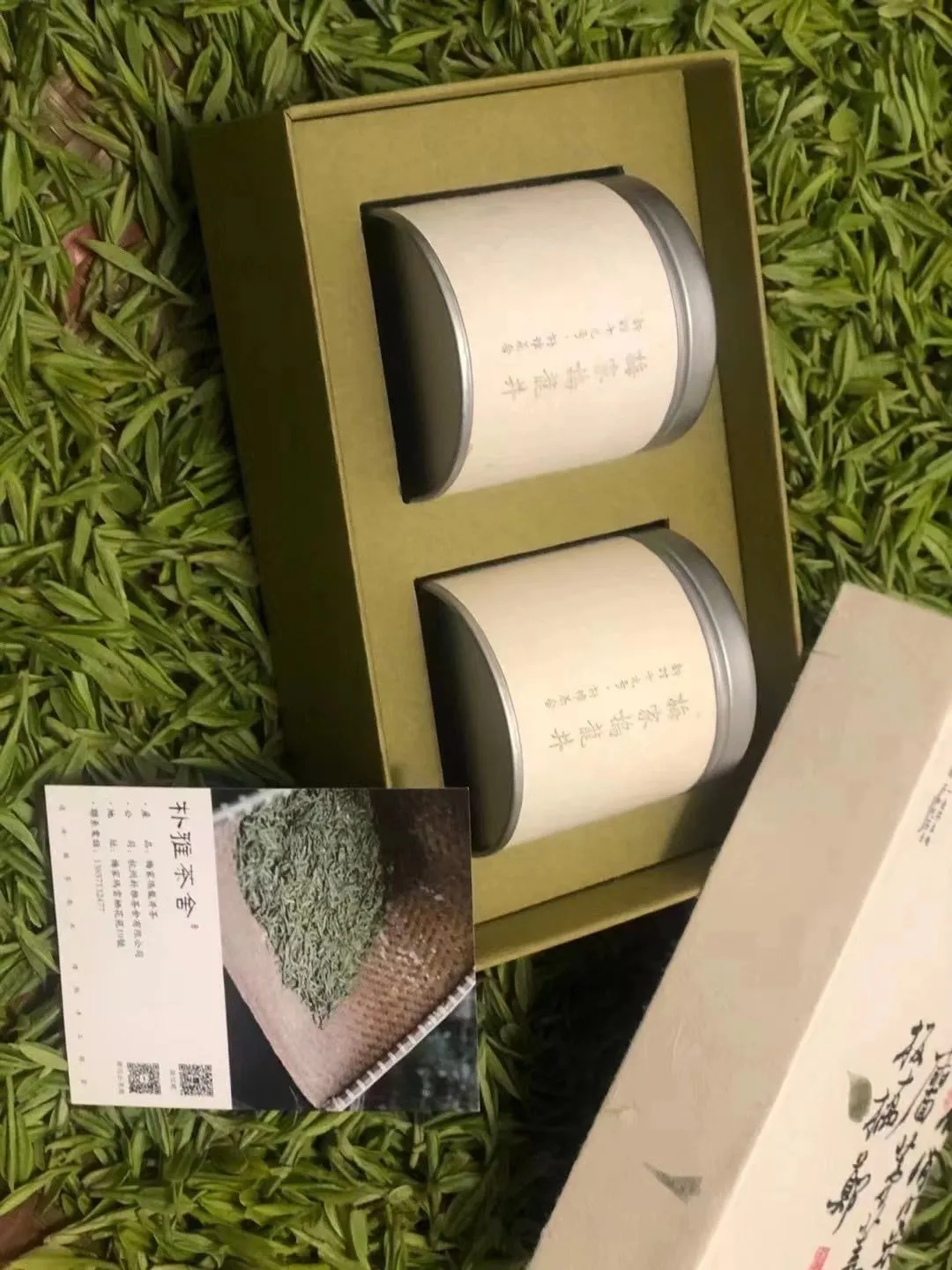
Gift packaging may combine canisters, an information card and a display box. The decorative box does not necessarily provide the main seal. Check the actual inner bag or container and the producer’s instructions; size or expensive materials do not establish longer keeping time.
Record deliberately stored tea
Log sample, source, packaging, location, date and condition. Comparing the same product over time is more informative than deriving a universal curve from unrelated ten- and twenty-year samples. Specific packaging examples in shelf-life guidance cannot be transferred to every tea[1].
For tasting comparisons, hold water quantity and preparation constant and record aroma, taste and infused leaf. See raw Pu-erh. Recording the environment helps interpret change; it does not recommend adding moisture or leaving tea exposed.
Moisture, unusual odours and suspected mould
Poor storage can cause flavour and microbial problems[2]. Stop drinking tea with suspicious growth, clearly unusual odours or uncertain moisture damage; consult the producer or discard it. Tasting does not establish safety, and rinsing, sunning or reroasting does not guarantee removal of contamination.
Colour alone cannot distinguish intended golden flowers from unwanted mould. See Fuzhuan tea.
A ten-minute check
Set out three teas and inspect names, dates, seals and storage locations. Note one useful change. Keep original labels and record portioning and opening, so later flavour changes can be considered alongside brewing and storage conditions.
Related Articles
- Reading Tea Labels: Understand harvest dates, packing dates, product standards, and storage instructions before opening and portioning.
- Brewing Troubleshooting: Distinguish brewing-parameter issues from flavour changes caused by moisture, staling, or absorbed odours.
- Aged Fuding White Tea: Explore chemical transformations during white tea ageing and moisture-control boundaries.
- Raw Pu-erh: Learn how sun-dried maocha evolves during post-fermentation and long-term storage.
- Anhua Fuzhuan Tea: Distinguish controlled Eurotium cristatum (“golden flower”) fermentation from accidental household mould.
- Interactive Quality Troubleshooter: Identify sensory markers of dampness, stale oxidation, light-struck off-notes, and lipid rancidity.
References
- R-337 — 農業部 (2026-01-06). 包裝茶葉有效日期評估之參考. https://www.afa.gov.tw/cht/index.php?act=download&ids=42264
- R-339 — 農業部茶及飲料作物改良場. 常見問答集-茶葉爭議訊息澄清. https://www.tbrs.gov.tw/theme_list.php?print=Y&theme=question&type=1
Article Knowledge Network
Explore the connections between the teas, processes and flavours in this article.