
Start with the essentials
Black-tea “fermentation” mainly means enzymatic oxidation after leaf tissue is disrupted. Rolling enables contact, polyphenols transform, and colour, taste and aroma develop. Why does the process need an appropriate endpoint rather than simply more time?
This article introduces products such as theaflavins and thearubigins, connects reaction conditions with aroma and tea cream, and explains how manufacture balances those changes.
Three key points
- Rolling enables contactTissue disruption brings enzymes and compounds together.
- Several products shape the cupColour, briskness and body involve a mixture of contributions.
- Oxidation connects with dryingThe intended endpoint and subsequent handling influence the result.
Connect the process with the tea
Record colour, aroma and texture separately, then observe clarity as the tea cools. Darker liquor and tea cream require sample and strength information rather than serving as standalone oxidation or quality measures.
The black-tea process
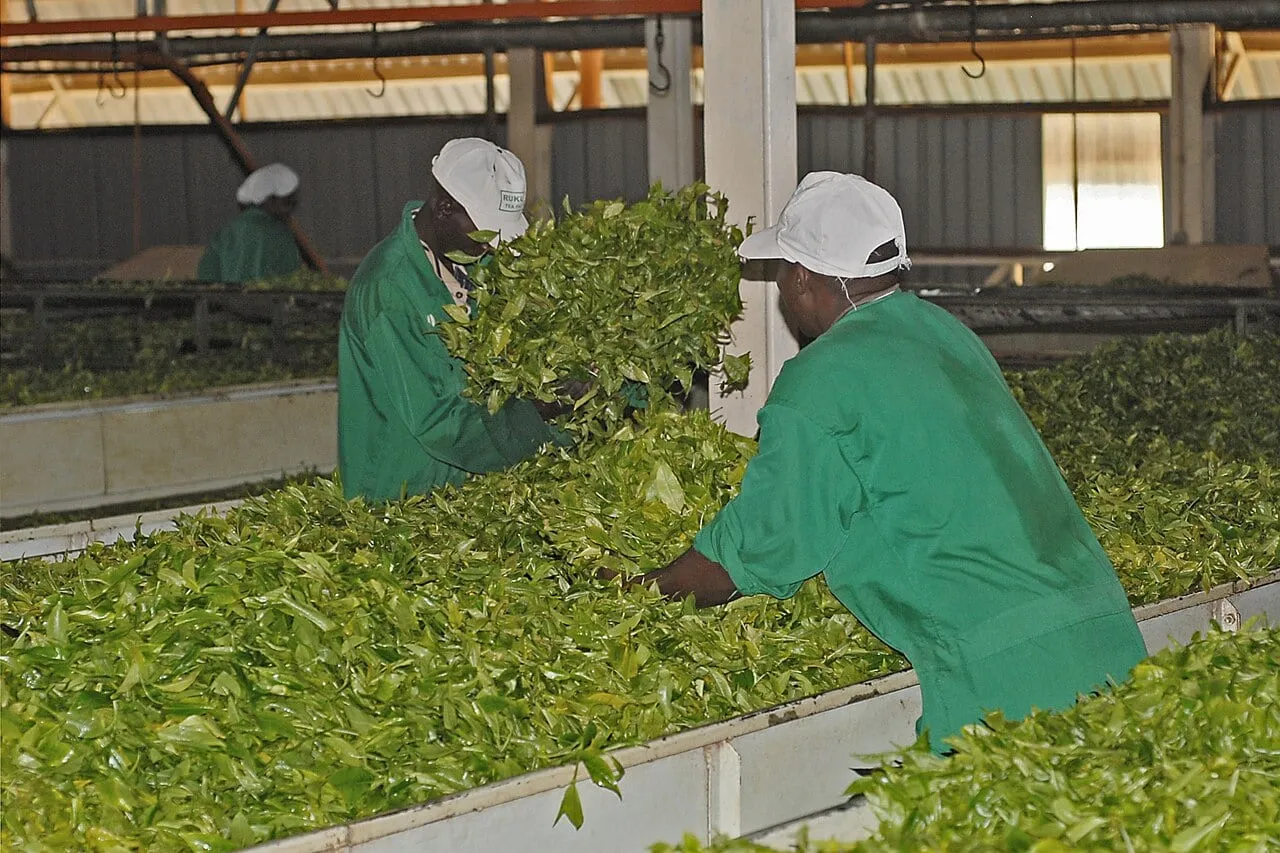
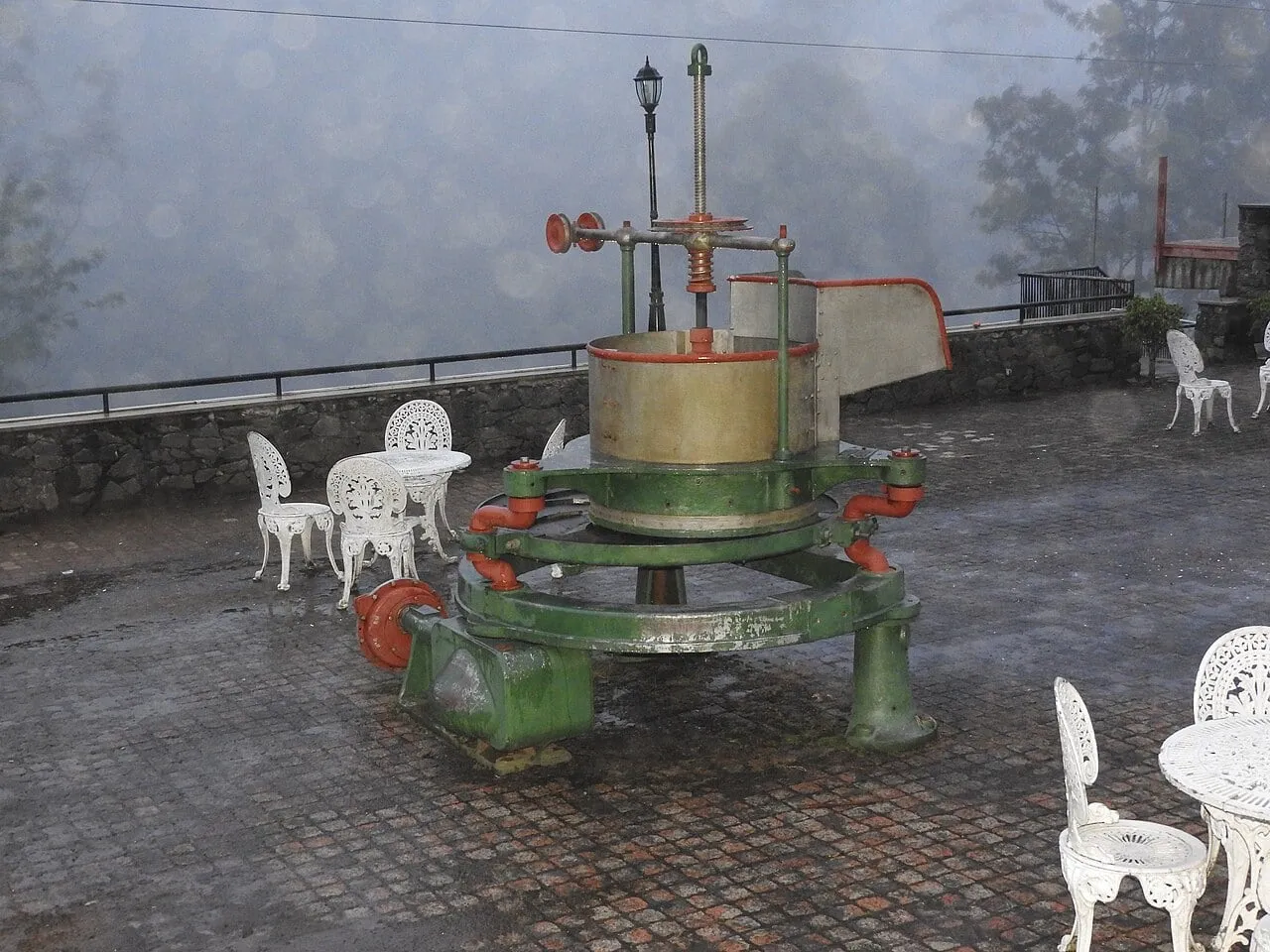
These examples show leaves being stirred in withering troughs and the structure of a rolling machine. They come from different factories and do not form a sequence for a single batch or establish oxidation levels.
The chemical mechanism
After rolling breaks the cell structure, PPO catalyses the formation of quinones from catechins in the presence of oxygen. Two such quinones then couple — a dihydroxy B-ring flavanol with a trihydroxy B-ring flavanol — to form theaflavins [1].
While oxidising catechins, PPO also generates hydrogen peroxide (H₂O₂); peroxidase (POD) then uses that H₂O₂ to further oxidise theaflavins into the larger, more complex thearubigins [1]. So theaflavins can be seen as the “intermediate” product of oxidation, thearubigins the “deep” product.
PPO and POD: enzyme characteristics and cooperation
PPO and POD are both metalloprotein oxidoreductases, but they differ in substrate and electron-acceptor requirements. PPO contains two copper ions and can use molecular oxygen directly, oxidising catechins to quinones. POD contains a heme group and needs H₂O₂ as an electron acceptor to oxidise products such as theaflavins further [1]. In black-tea oxidation, PPO is the “igniter” and POD the “booster” — the H₂O₂ produced by PPO provides exactly the reaction condition POD needs.
Fresh-leaf PPO is most active around 25–35 °C and pH 5.0–7.0; fresh sap is naturally acidic (about pH 5.5–6.5), so once cells are broken oxidation starts fast. If oxidation temperature rises above 35 °C, PPO activity drops quickly; above 45 °C it is largely inactivated. This shows oxidation is not “hotter and faster” — it needs a balance of temperature, humidity and oxygen: sufficient temperature to maintain enzyme activity, high humidity to prevent excessive water loss, and ample oxygen to keep the oxidation chain moving [2][3][5].
Robertson (1983) used a model oxidation system to quantify how temperature, pH and oxygen steer the oxidation path: low temperatures slow the reaction; excessive heat inactivates PPO quickly; mildly acidic pH (5.0–5.5) favours theaflavin accumulation; and adequate oxygen is required for thearubigin formation[5].
Two products shape the flavour
| Product | Colour | Flavour contribution |
|---|---|---|
| Theaflavins | yellow, bright | briskness, astringency, liquor brightness [1] |
| Thearubigins | red-brown | body, mouthfeel, red-brown colour [1] |
The ratio and total of theaflavins to thearubigins is a key quality marker for black tea. Harbowy & Balentine (1997) note that thearubigins can account for 60–70% of the soluble solids in black-tea liquor, making them the dominant force behind its red, full-bodied colour[6].
Three oxidation products: TF, TR and TB
Black-tea quality rests on the balance and total of theaflavins (TF), thearubigins (TR) and theabrownins (TB). Their colour, molecular weight and taste contribution differ markedly:
| Product | Colour | Molecular-weight trend | Main flavour contribution | Risk when excessive |
|---|---|---|---|---|
| Theaflavins (TF) | Golden to orange-yellow | Relatively small | Liquor brightness, briskness, astringency | Too astringent, harshly gripping |
| Thearubigins (TR) | Red-brown | Medium–large | Body, red liquor colour, sweetness | Flat taste, dull liquor |
| Theabrownins (TB) | Dull brown | Large | A trace adds mellowness | Dark, muddy liquor; flat, stale taste |
The TF/TR ratio is often used to judge black-tea quality. High TF gives bright liquor, brisk taste and a “golden ring”; high TR gives red colour and body. Too much TB is usually a sign of over-oxidation or poor drying. Different markets value different balances: plain-drinking congou teas seek a relatively even TF/TR balance, while CTC broken teas — because of their high breakage and fast oxidation — end up with a higher TR/TB share, emphasising strength and milk compatibility [4][7].
Oxidation kinetics: the component curve over time
If you slice oxidation by time, the components do not all move together. In Assam CTC black tea, after crushing the ester catechins (EGCG, ECG) fall fastest because of the high cell breakage and full PPO-substrate contact; theaflavins accumulate rapidly and may peak around 20–40 minutes [4][7]. Then POD oxidises theaflavins into thearubigins, so TF begins to fall while TR keeps rising. In later stages TR polymerises further into TB. Amino acids and soluble sugars both participate in reactions and provide precursors for Strecker degradation.
Catechin to golden ring: the cascade
Switch stages; watch molecules and liquor.
PPO meets catechins: quinones form
- Rolled leaf 8–12 cm deep, humid
- Air keeps oxygen coming into the bed
- Loupe: catechins become quinones
- Bowl: pale orange-yellow liquor
Broken cells let oxygen, enzymes and catechins meet.
Conditions, liquor & sources
- Stage (tray room)
- 1. Initiation Phase (0–1.5h)
- Core leaf temperature
- 24–27 °C
- Chamber relative humidity
- 92–95%
- Tasting bowl liquor appearance
- Pale yellow-green / Bright golden-amber
- Aroma character evolution
- Fresh green aroma · grassy notes dissipating
- Room setting
- Room temp 22–25 °C, leaf temp 26–30 °C, relative humidity ≥90%, continuous ventilation
Rolled leaves freshly spread on trays; yellowish-green with red bruising, juicy leaf coat, fresh grassy scent
Cell rupture during rolling brings vacuolar catechins into direct contact with plastid polyphenol oxidase (PPO) under abundant oxygen. Catechins oxidize into active ortho-quinones.
Continuous Climate-Controlled Fermentation Machine (CTC / Modern): Controlled 26–28 °C, 92–95% RH, automated cascading turnings, duration 1.5–2.5 h. 1. Inline Feeding & Oxygen Injection (0–45 min): Forced ventilation grid delivers conditioned humid air evenly across the bed, synchronizing enzymatic initiation across all particles. 2. Cascading Turning & Isothermal Catalysis (45–90 min): Maintained strictly within 27–29 °C optimal PPO enzyme window, accelerating theaflavin yield. 3. Automatic Discharge to Fluidized Bed Firing (90–150 min): Discharges directly into firing ovens without holding delays, instantly arresting enzyme activity at 120 °C.
Mechanisms: Synthesised from Tea Processing (R-031) and black tea enzymatic oxidation kinetics (R-013, R-029). Fermentation is an endogenous enzymatic aerobic process catalysed by PPO and POD.
Note: The oxidation endpoint depends on cultivar, rolling cell disruption, air temperature, relative humidity, and oxygenation.
Bars show relative trends, not measured catechin or theaflavin levels.
This timeline explains why tea makers judge oxidation endpoint by “looking at leaf colour and smelling the aroma”: the leaf changes from green to yellow to red-brown, and the aroma shifts from green to sweet-floral — external signs of these internal changes. With different raw materials and temperatures the peaks arrive earlier or later, so oxidation has no fixed “minute count”; it has “state counts” [2][3].
Where the aroma comes from: four chemical pathways
Colour comes from pigments, but black tea’s floral, fruity and honeyed aroma comes from trace volatiles — hundreds of compounds making up a tiny share of the dry leaf. By precursor origin, four pathways dominate[7][8]:
- Hydrolysis of glycosidic precursors. Geraniol, linalool and its oxides, benzyl alcohol, 2-phenylethanol, methyl salicylate and leaf alcohol are stored in the fresh leaf as odourless glycosides (bound to sugars). Withering, rolling and oxidation rupture the cells and β-glucosidases release the aglycones — the main source of floral and fruity notes[7][8].
- Carotenoid oxidative degradation. β-Carotene, lutein and zeaxanthin (about 36–73 mg/100 g dry weight) degrade extensively during oxidation into β-ionone (violet-like), β-damascenone (sweet floral/apple, extremely low perception threshold — reported as low as ~0.002 μg/L), plus dihydroactinidiolide and theaspirone — characteristic black-tea aromas[7][9]. The degradation order is β-carotene > zeaxanthin > lutein, and it is greater in CTC than orthodox processing and in withered than fresh leaf[9]. Notably, the degradation needs oxidised flavanols (quinones) as co-oxidants — so the very oxidation that builds theaflavins also drives aroma formation[7].
- Lipid oxidation and cleavage (the “grassy” family, explained). Linolenic and linoleic acids are oxidised by lipoxygenase (LOX), and the hydroperoxides are then cleaved into C6 aldehydes and alcohols such as leaf aldehyde and hexanal — the chemical identity of “grassy” notes. During black-tea processing they partly evaporate and partly transform further, as grassy notes give way to floral ones[7][8].
- Maillard and Strecker reactions (sweetness from the dryer). Drying’s high temperature lets amino acids and sugars react into pyrazines and pyrroles (baked notes) and Strecker aldehydes such as phenylacetaldehyde — an important source of honeyed sweetness[7][8].
These four pathways explain why the same fresh leaf smells grassy and green when fixation “locks in” its precursors, while full oxidation converts the whole precursor pool into floral, fruity, honeyed notes — the chemical root of the green/black tea aroma divide[7].
Worth emphasising: aroma contribution is not the same as absolute content. Compounds with extremely low odour thresholds and high odour activity values (OAV) can dominate a fragrance even at tiny concentrations. For example β-damascenone in black tea is often measured in ng/L, but with a threshold around 0.002 μg/L its OAV can reach thousands or tens of thousands, making its contribution to sweet-floral notes far greater than that of some far more abundant but less potent compounds [9]. This is the essence of black-tea aroma: powerful even in trace amounts.
Creaming: when the cooled liquor “milks up”
Cooled black tea sometimes turns cloudy, as if a drop of milk had been added — this is creaming (tea cream), leng hou hun in Chinese.
Why black tea clouds as it cools
Hot or cooled: watch the theaflavins.
Hot: everything stays dissolved
- A hot cup of black tea is clear and bright
- Loupe: theaflavins (gold) move freely
- Caffeine (blue) and thearubigins (red-brown) stay dispersed
- Reheating a creamed cup redissolves the cloud
While hot, the complexes stay apart and the liquor is clear.
Conditions, liquor & sources
Small-angle X-ray scattering and NMR (Jöbstl et al., 2005) show theaflavins initiate creaming by forming ~3 nm clusters; caffeine fills them, calcium promotes clouding and glycosylated phenolics reduce it. See the article references.
Mechanisms: Synthesised from Tea Processing (R-031) and black tea enzymatic oxidation kinetics (R-013, R-029). Fermentation is an endogenous enzymatic aerobic process catalysed by PPO and POD.
Note: The oxidation endpoint depends on cultivar, rolling cell disruption, air temperature, relative humidity, and oxygenation.
Bars show relative trends, not measured catechin or theaflavin levels.
The classic explanation: as the liquor cools, theaflavins, thearubigins and caffeine complex and precipitate (through hydrogen bonding and related interactions); reheating re-dissolves the complexes and clears the cup[7]. A 2005 study using small-angle X-ray scattering and NMR looked closer: theaflavin is the initiator of creaming, first self-assembling into nanoclusters about 3 nm across; caffeine is not required, but “fills in the gaps” and adds bulk — decaffeinated black tea still creams. Calcium (Ca²⁺) promotes creaming, while glycosylation of polyphenols weakens complexation and reduces it[8].
For quality, bright, brisk black teas often cream more visibly, and creaming has traditionally been taken as one sign of rich theaflavins; but the degree of clouding also depends on the water — hard water (more calcium and magnesium) creams more heavily, so the same tea can behave differently from place to place[7][8].
Key compound dynamics
| Compound | Before oxidation | Change during oxidation | Quality significance |
|---|---|---|---|
| Catechins (EGCG, ECG, etc.) | High | Rapidly fall, often >90% degraded | Astringency drops; oxidation products form |
| Theaflavins | Very low | Rise then fall, peaking mid-oxidation | Brightness, briskness, astringency |
| Thearubigins | Very low | Keep rising | Red liquor colour, body |
| Theabrownins | Very low | Accumulate late | Excess causes dull brown liquor and flat taste |
| Aromatic aldehydes/ketones | Low | Significantly increase | Sweet, floral, fruity notes |
| Amino acids | Medium | Some enter Strecker degradation | Sweet, baked-aroma precursors |
Reference: Deka et al. (2021) tracked Assam CTC black tea from fresh leaf to finished tea and found total catechins fell by about 96%, while theaflavins and thearubigins were generated in parallel, confirming the depth of oxidation[4].
Parameters and quality defects
Black-tea oxidation is a classic “watch the leaf and make the tea” step. The ranges below are common starting points, adjusted for cultivar, season, equipment and target style [2][3][8]:
Withering does more than remove water: it “preheats” the chemistry. Membrane permeability rises, some glycosidases activate, and carotenoids and fatty acids prepare for the oxidation ahead. Under-withered leaf is stiff and low in enzyme readiness; over-withered leaf has lost too much water and its membranes are too damaged, leading to uneven oxidation.
Rolling intensity and time directly affect cell breakage. Orthodox congou tea uses a “light–heavy–light” pressure sequence that releases juice while keeping the strip whole; CTC uses mechanical rollers to cut the leaf, achieving breakage rates above 90%, greatly increasing the oxidation interface and shortening oxidation time [4][7].
| Step | Typical conditions | Purpose |
|---|---|---|
| Withering | moisture ~75% → 55–70%, 12–20 h | water loss, enzyme activation, aroma-precursor preparation |
| Rolling | 60–120 min, light–heavy–light pressure | break cells, create oxidation interface, release juice |
| Oxidation | 20–30 °C, 90–95% RH, 1–3 h | main enzymatic oxidation stage |
| Drying | rough firing 110–120 °C, final firing 90–100 °C | terminate enzymes, fix quality, develop aroma |
Under-oxidation produces:
- too few theaflavins → pale liquor, green taste, harsh astringency;
- aroma precursors underdeveloped → grassy notes, weak sweetness.
Over-oxidation produces:
- theaflavins oxidised further to thearubigins/theabrownins → dull brown liquor, poor brightness;
- flat taste, sour off-notes.
Excessive drying temperature also drives off low-boiling aroma compounds, degrades theaflavins and produces burnt notes and a dull, reddish liquor. So the hand-off from oxidation to drying is as important as oxidation itself.
Representative styles
| Style | Rolling/shaping | Oxidation character | Flavour direction |
|---|---|---|---|
| Keemun congou | rolling, breaking, sorting, then oxidising | fully but not excessively oxidised | Keemun aroma (rose-honey), bright red |
| Dianhong congou | large-leaf cultivar, longer rolling | high polyphenol content yields abundant thearubigins | strong, fresh, golden ring |
| Lapsang Souchong | rolled then pine-smoked | traditional smoking joins the flavour | pine-smoke, longan broth |
| CTC black tea | Crush-Tear-Curl | high cell breakage, fast and even oxidation | strong and brisk, suited to milk |
The same oxidation chemistry produces very different faces depending on raw material, breakage and post-fermentation handling. Orthodox black tea is like an orchestra, seeking layers and balance; CTC is like percussion, seeking concentration and impact [4][7].
Keemun congou, made from the Zhuye cultivar in Anhui, is rolled, broken, sorted and then oxidised, giving a red, even leaf and a bright red liquor with a rose-honey “Keemun aroma”. Dianhong congou uses Yunnan large-leaf material, high in polyphenols, producing abundant thearubigins and a strong, fresh, golden-ringed cup. Lapsang Souchong adds traditional pine-smoking after rolling, combining smoky aroma with oxidised sweetness to create “pine smoke, longan broth”. CTC black tea releases flavour quickly and evenly through fast oxidation, making it ideal for blending and teabags.
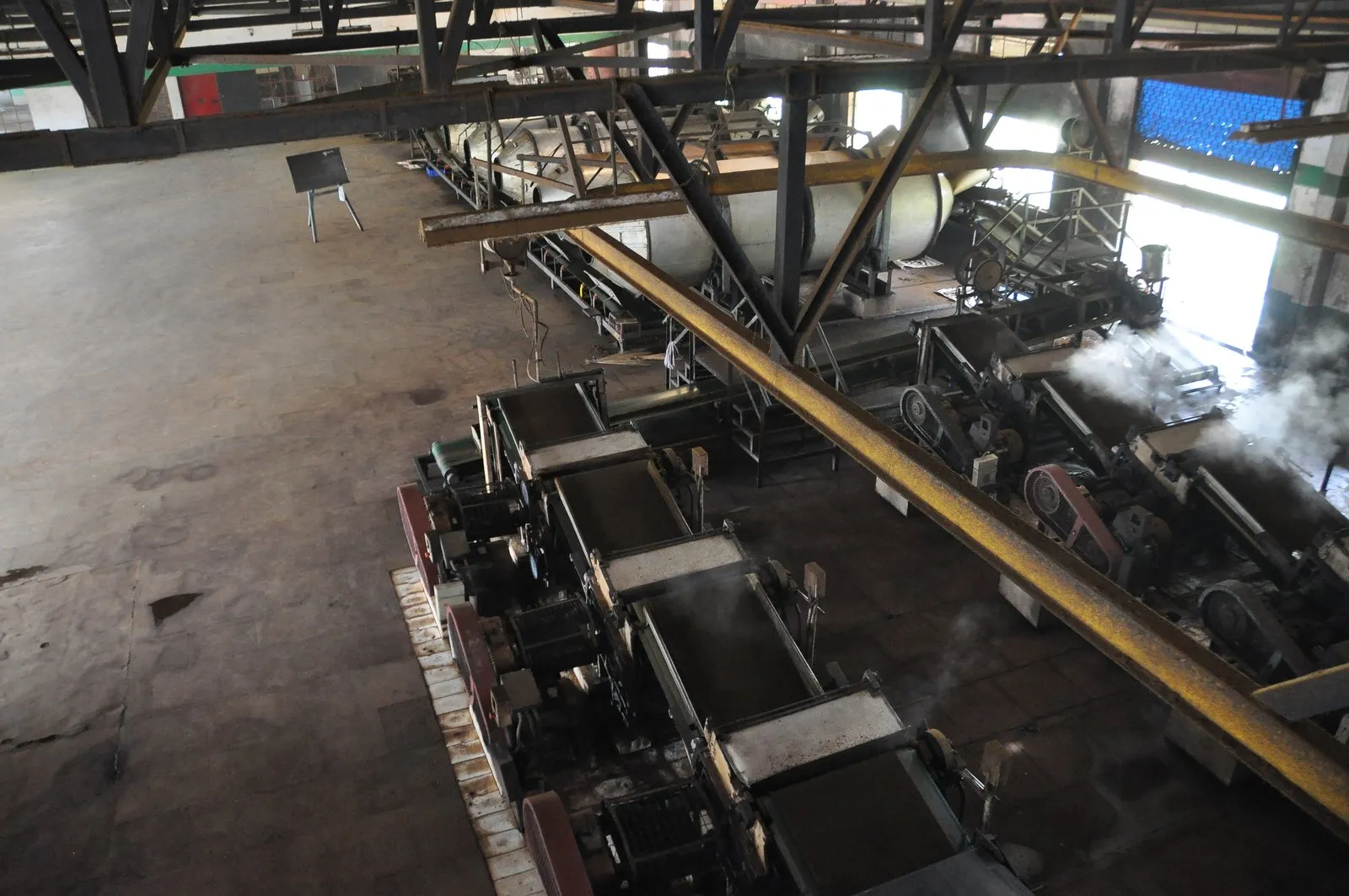
Connect these styles with an actual production setting. The CTC factory photograph below shows machines and conveying paths; reaction progress requires process records and measurements rather than a distant view of the equipment.
Common Myths & Scientific Clarifications
Myth 1: “Does black tea ‘fermentation’ rely on live microorganisms like brewing beer or making yogurt?”
Scientific Clarification: Black tea “fermentation” is a historic industry misnomer; biochemically, it is strictly endogenous enzymatic oxidation without microbial mediation. Mechanical rolling ruptures leaf cell walls, allowing compartmentalised vacuolar catechins to mingle directly with cytoplasmic polyphenol oxidase (PPO) and peroxidase (POD) in the presence of atmospheric oxygen [1][6]. Unlike dark tea’s solid-state microbial post-fermentation, black tea processing demands strict clean-room hygiene. Any active fungal or bacterial colonisation represents contamination, spoiling the tea with unpleasant sour, musty rots.
Myth 2: “Does a longer fermentation time and darker leaf colour produce a superior black tea?”
Scientific Clarification: Polyphenol oxidation follows strict serial reaction kinetics, where excessive duration causes quality collapse. Catechins first dimerise into bright golden theaflavins (TFs), which confer briskness; TFs subsequently polymerise into red, full-bodied thearubigins (TRs). However, prolonged fermentation degrades both TFs and TRs into dark, dull, insoluble theabrownins (TBs) [2][6]. Over-fermentation drastically depletes theaflavins, resulting in a lifeless, dark infusion that loses its lively briskness and golden halo in exchange for flat, stewed sourness.
Myth 3: “Does black tea becoming cloudy as it cools (‘creaming down’) signify poor quality or dirty water?”
Scientific Clarification: “Creaming down” is a prized diagnostic sign of high-grade black tea rich in theaflavins and caffeine. Below 40 °C, polyphenol hydroxyl groups bind to caffeine molecules through intermolecular hydrogen bonds and hydrophobic stacking, self-assembling into sub-micron (100–300 nm) colloidal complexes that scatter light into an opalescent milky suspension [9]. This physical phenomenon is fully reversible upon reheating above 60 °C. Exceptional orthodox black teas cream down heavily precisely due to their high concentration of brisk pigments and methylxanthines.
Myth 4: “Does running fermentation at higher temperatures accelerate oxidation for a better result?”
Scientific Clarification: Excessive heat impairs enzymatic pathways and produces severe sensory taints. While PPO catalytic velocity increases up to ~35 °C, prolonged elevated temperatures accelerate thermal enzyme denaturing while driving non-enzymatic degradation of fragile theaflavins [1][2]. Concurrently, accumulated metabolic respiration heat depletes oxygen within the tea bed. Production rooms must maintain ambient temperatures of 24–28 °C (leaf temperature ≤30 °C) under >90% relative humidity and continuous ventilation. Excessive heat yields flat, sour liquors with dull brownish infusions.
See also
- Green-tea fixation — how heat stops oxidation at the start
- Oolong zuoqing — partial, localised oxidation and stress-induced aroma
- Dark-tea wodui — microbial post-fermentation, for contrast
Congou (Orthodox) Black Tea
Black · Orthodox Whole-LeafTea Science · core comparison
| Dimension | Black tea (oxidation) | Green tea (fixation) | Dark tea (pile-fermentation) |
|---|---|---|---|
| Transformation pattern | Extensive enzymatic oxidation (not a universal measured percentage) | Early heat suppresses enzymatic oxidation | Deep post-fermentation |
| Dominant force | PPO/POD enzymatic oxidation | heat deactivation of enzymes | microbial enzymes + moist heat |
| Core products | theaflavins, thearubigins | preserved catechins, chlorophyll | theabrownins, soluble sugars |
| Liquor colour | bright red | clear green | dark reddish-brown |
For the full six-tea-class comparison, see The Science of Tea: From Leaf to Six Tea Types.
References
- R-001 Subramanian, N., Venkatesh, Purna, Ganguli, Shovan, Sinkar, Vilas P. (1999). Role of Polyphenol Oxidase and Peroxidase in the Generation of Black Tea Theaflavins. Journal of Agricultural and Food Chemistry, 47(7), 2571-2578. https://doi.org/10.1021/jf981042y
- R-002 Zhu, Jiayi, Wang, Jinjin, Yuan, Haibo, Ouyang, Wen, Li, Jia, Hua, Jinjie, Jiang, Yongwen (2022). Effects of Fermentation Temperature and Time on the Color Attributes and Tea Pigments of Yunnan Congou Black Tea. Foods, 11(13), 1845. https://doi.org/10.3390/foods11131845
- R-003 Muthumani, Thomas, Senthil Kumar, R.S. (2007). Studies on freeze-withering in black tea manufacturing. Food Chemistry, 101(1), 103-106. https://doi.org/10.1016/j.foodchem.2006.01.007
- R-062 — Deka, H., Sarmah, P. P., Devi, A., Tamuly, P., & Karak, T. (2021). Changes in major catechins, caffeine, and antioxidant activity during CTC processing of black tea from North East India. RSC Advances, 11, 11457–11467. https://doi.org/10.1039/d0ra09529j
- R-205 — Balentine, D. A., Wiseman, S. A., & Bouwens, L. C. (1997). The chemistry of tea flavonoids. Critical Reviews in Food Science and Nutrition, 37(8), 693–704. https://doi.org/10.1080/10408399709527797
- R-204 — Robertson, A. (1983). Effects of catechin concentration on the formation of black tea polyphenols during in vitro oxidation. Phytochemistry, 22(4), 889–896. https://doi.org/10.1016/0031-9422(83)85018-3
- R-029 — 宛晓春 主编 (2003).《茶叶生物化学》(第3版). 中国农业出版社. ISBN: 978-7109066274.
- R-272 — Ravichandran, R., & Parthiban, R. (2002). Carotenoid composition, distribution and degradation to flavour volatiles during black tea manufacture and the effect of carotenoid supplementation on tea quality and aroma. Food Chemistry, 78(1), 23–28. https://doi.org/10.1016/s0308-8146(01)00303-x
- R-255 — Jöbstl, E., et al. (2005). Creaming in black tea. Journal of Agricultural and Food Chemistry, 53(20), 7997–8002. https://doi.org/10.1021/jf0506479
Article Knowledge Network
Explore the connections between the teas, processes and flavours in this article.